Reviews
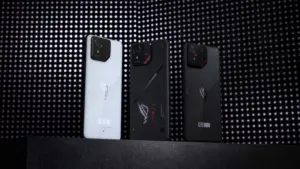
Asus ROG Phone 9 Pro: does a 185Hz gaming phone justify £1,099?
There is a figure on the Asus ROG Phone 9 Pro's spec sheet that no other flagship in a UK…
Independent UK mobile tech news, reviews, comparisons, and buying advice.
Considered reviews of phones, laptops, wearables, headphones and connected-home gear in use in the UK. The brief is verdicts buyers can act on: real-world battery, the iCloud/Google Wallet/Android Auto reality, what works on EE/O2/Three/Vodafone, where the spec sheet flatters or lies, and whether the British retail price reflects the global value. Reviews state who the kit is and isn’t for, and call the moment to wait versus the moment to buy. Where we have not been hands-on, the piece is labelled as a first look or buying guide rather than a review. Featured reading: Apple Watch Ultra 3 UK review · Insta360 X5 review UK · Garmin Venu 4 review UK · Sennheiser Momentum Sport review UK · TicWatch Atlas 2 battery-life review
372 articlesThere is a figure on the Asus ROG Phone 9 Pro's spec sheet that no other flagship in a UK…
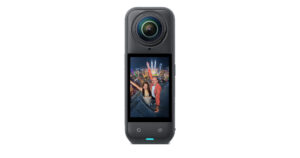
When Tom's Guide called the Insta360 X5 "the best 360 camera money can buy" back in April 2025, I read…
Most earbuds ask you to trust them with your music. The Sennheiser Momentum Sport asks you to trust them with…
The Bowers & Wilkins Px8 S2 is not trying to win an argument with your Sony or your Bose. It…
Cambridge Audio made its name on hi-fi separates that cost more than some people's first cars. So its very first…
A wireless speaker shaped like a rugby ball and priced at £699 shouldn't be the one I keep circling back…
Bose has quietly cut £100 off its flagship soundbar, and that single move reframes the whole conversation. When What Hi-Fi…
A 150-inch picture from a box that sits 40cm off the wall, thrown by a triple-laser engine claiming 107% of…
For two generations Samsung's flagship QD-OLED has been the brighter, punchier panel that still lost the war on its own…
Two grand and change for a camera built around a sensor a quarter the size of full-frame — and OM…
Mobile Tech World is a trading name of Greyline Technologies Limited. Registered in England & Wales, company no. 16673047. Registered office: 71-75 Shelton Street, London WC2H 9JQ.